Top Five Deal Breakers – By the Barrie Home Inspector
Real Estate agents like to throw around the word “Deal Breaker”, and that is because they are only focusing on their possible loss of commission. Every home has its issues and some are more serious than others. At the end of the day it depends on the “comfort level” of the purchaser with the deficiencies. Here are some of the most common reasons I have found why people will walk away from a purchase.
WET BASEMENTS – After over twenty years of inspecting home in the Barrie, Alliston and Orillia area the most common question ask is, “is there any water in the basement”. Water in a basement can come from a number of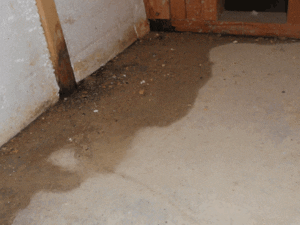 sources including from the house itself. Up to 75% of water issues that I encounter in basements are directly attributable to either poor landscaping or improper roof drainage. Cracks in basement walls may let water in faster but usually that water would seep through the wall anyway, just at a slower rate. Some older homes may not even have a weeping system and the sump could be a plastic pail in a dug hole in floor with a pump installed. I love the sound of a sump pump squealing in a dry hole. This typically means the pump has not been running and the moisture has corroded the bushing, just another indication of a dry basement.
MOULD – If a home has mould it may be very expensive to remediate, depending on severity and location. Mould is a fungus that can grow in walls, under ceilings and floors or in any place where moisture, heat and protein exists. Mould can cause a variety of health problems and some mould can develop mycotoxins which cause rashes, bleeding and other health issues. Unless mould is localized to specific leak or other minor issue it is recommended you have a professional mould inspector who also does remediation provide a quote prior to completing sale.
BUILDING PERMITS – Many homes in Barrie, Alliston and Orillia have illegal in-law apartments or basements that were not finished with a building permit. If there has been changes to the home and no permit was taken out, you as the new home owner will be liable to comply with any requirements of your local building department if they discover the modifications. Your city or municipality will require you to take out a permit and bring home up to current code requirements. This can be very costly especially if you get into buried plumbing, electrical behind walls and ceilings. Not only is there the city building inspector but also an electrical inspector and possibly a plumbing inspector. If you have added an apartment you may be contravening zoning by-laws and fire code requirements.
ASBESTOS – Asbestos in homes is typically found in vermiculite insulation and as part of heating system. There can also be asbestos in older homes in paint, drywall, plaster and flooring. Many homes built prior to the late 1960’s have old heating ducts which are still wrapped in asbestos. Even when a new heating system is installed it a rare case where the installer removed all the asbestos. I have inspected homes where the old boiler was encased in asbestos and just covered with plastic sheet and left in place as home owner did not want to incur the cost of removing it. Vermiculite insulation, particularly insulation from Libby Montana mine, can contain asbestos. It is impossible to tell from looking at it and must be sent to a laboratory for examination. Removing any significant amount of asbestos is a very expensive proposition as it is a Class 2 hazard and has to be dealt with in accordance with strict rules which apply to removal, containment and methods of disposal. Read Barrie Home Inspections articles on Asbestos
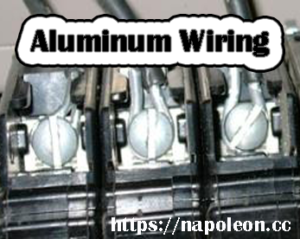
ALUMINUM WIRING – This was used during the 1960’s and 70’s due to a spike in copper prices. Aluminum and copper connection causes aluminum to corrode which then creates a loose connection with arcing and possible fire. There are some methods of protecting your home such as pigtailing, treating aluminum wire with antioxidant at panel connections, using CO/ALR devices which are designed for use with both copper and aluminum. Some insurance companies will not insure a home with any aluminum wire present and others will require an ESA inspection prior to insuring.
Aluminum Wiring has a unique ability of wire to actually get thinner at a connection when over heated. This action is called, “Cold Creep”. When an aluminum wire arcs and develops heat the aluminum metal actually moves away from heat source. When aluminum cools it does not return to its normal state, as copper wire does. This action creates a large gap in metals which leads to more heat generated by arcing and can eventually lead to a fire.
Read the Barrie Home Inspector articles on Aluminum wiring.
Always remember CAVEAT EMPTOR – BUYER BEWARE
Contact Information
Roger Frost
Certified Building Code Official
Certified Master Inspector
Phone: 705.795.8255
Email Roger
Animals & Rodents in Your Attic
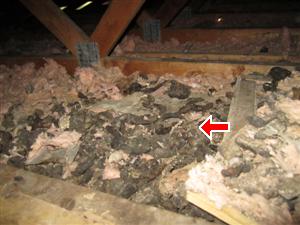
Animals and Rodents in your attic can create a mess that can be expense to reslove. They can damage your wiring, ducts, insulation and leave behind their toxic feces. Here are some common types and tips for removing them from your home.
BATS – The last thing any home buyer wants is to find unwanted pests living in their home. Houses, unfortunately, can provide the ideal home for animals and rodents to take up residence. Your Home Inspector will look for the signs and indications of these pests and provide you the basic information you need to start the removal process. This article will discuss some of the more prevalent pests you may find. Bats are a naturally scary animal to most humans. They are often related to vampire stories and getting into a person’s hair. Both these are fictional but there are some hazards associated with bats that some people are not aware of. Bats, although being beneficial by eating insects, can be a health hazard due to spreading rabies and respiratory diseases to humans and pets. Bats are attracted to areas with long grass and standing water. These are the types of locations that insects will breed in and bats live off insects. If your home has gaps in attic louvers or the roofline, combined with a attractive insect population, the odds are bats will occupy your home if allowed in. Adding screens and sealing openings can effective prevent the entry of bats. If you notice bats flying in or out of your home you should immediately contact a “bat professional” to investigate and remediate your home as soon as possible. Bat guano droppings can be hazardous to breathe and should not be disturbed by home owners.
RACCOONS – These masked marauders can be the peskiest of animals to remove from your home. If you have a female raccoon in your house there is a good possibility that she may have babies. The best thing to do is wait until the babies are old enough to leave with their mother or else they will not survive. Closing all entries is usually best done using wire mesh or metal flashing. Raccoon feces can contain “roundworm eggs” and should be cleaned up by a professional. Trapping and relocating raccoons is one of the easiest ways of ensuring your neighborhood raccoon won’t return.
Mice – Most homes have mice living in their attics. Mice enjoy nesting in attics that have fiberglass insulation installed. Using blown cellulose insulation is an alternative solution as mice tend not to enter attics where it is installed. Mice can access your house through vents, gaps in soffit, open holes or pipe penetrations. After you have sealed up all the entrance points you can then start removing mice by trapping them. You have to set your traps where the mice run and in some attics you might require more than 10 or 12 traps. Check your attic after a period of time to ensure that the mice have not returned, you will have to re-seal exterior of house if more mice have entered your home.
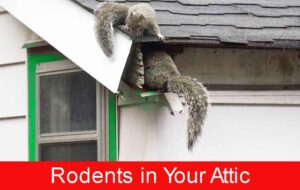
Squirrels – Removing squirrels from your home is very similar to removing mice. You first have to seal up and protect any openings that the squirrel has used to enter the home. Steel is the best material to use as squirrels will chew wood or other materials. The main concern with squirrels in your attic is that they will chew electrical cables, exhaust ducts and any other material in your attic. This is a real concern as chewed electrical wires create a fire hazard.
Clean Up – Any animal living in your attic will leave waste products behind. There will be nesting debris, droppings, urine and body hair that will have to be cleaned up. In most cases it is better to hire a professional to clean up and remove debris and waster from your attic. They will remove large items by hand, vacuum small droppings etc and chemically treat problem areas of insulation. This will be expense and highlights the importance of sealing your home so that the critters do not return.
When buying a new home call the Barrie Home Inspector to prevent unwanted surprises or financial set backs. As always CAVEAT EMPTOR – BUYER BEWARE
Helpful Articles for Home Owners:
Air Conditioner Basics
Soffit Baffles Protect Your Attic
Bremont Homes – Tarion Warranty
Municipal Building Inspections
WETT Inspections and Your Chimney
Alliston WETT Inspector
Barrie WETT Inspector
Prepare For Winter Tips for Home Owners
Mould in Your Home
Electrical Issues in Your Home
Fire Prevention in Your Home
Top Five Deal Breakers – Real Estate
Medical Marijuana Building Inspections
Inspecting Older Homes In Orillia
Alliston Home Inspections
Contact Information
Roger Frost
Certified Building Code Official
Certified Master Inspector
Phone: 705.795.8255
Email Roger
Aluminum Wiring in your Home – What Home Buyers Should Know
The only thing that is certain about buying a home with aluminum wiring is that everyone has a different opinion about what a home buyer should know or do. The biggest problem with aluminum wiring is that many insures will not insure the home. Some insurance companies will insure your home but only after you get a Certificate of Inspection from ESA. (The Electrical Safety Authority).
Prior to obtaining a ESA Certificate of Inspection you will have to hire a licensed electrician to inspect all the termination points of the wiring. This will include removing all outlets, light switches, appliance connections and of course the panel board. If approved devices have been installed for outlets and switches they will be stamped with “C0/ALR” or “AL-CU”, which indicates that are rated for use on aluminum circuits of 20 amps or less.
Aluminum wiring is susceptible to oxidation at its contact points when used in conjunction with devices designed for copper wiring. Also, when the aluminum wire heats up due to gaps caused by oxidation it creates heat, this causes the metal to move away from heat source. This is known as “Cold Creep” as the aluminum does not return to original position or shape when wire is cooled. Some of the signs of problems in aluminum wiring is discoloration of light or outlet cover plates, smoke or sparking at devices, flickering lights or smell of plastic insulation burning.
Some studies have indicated that a home with aluminum wiring 55 times more likely to have an over heat or fire condition than a home wired with copper. Some home owners have added pig tails to their aluminum wiring and is currently an accepted method by ESA. Some studies in the US have found this method actually increases the risk. Changing all devices to one rated for aluminum wiring is also an option. Use CopAlum Crimp connectors on all connections, or re-wire entire home replacing all the aluminum.
Remember that when you put your home back on the market, many home owners will be asking themselves the same questions that you did when you bought the home. This is definitely a item of concern when it comes to resale value. Hopefully you hire a competent home inspector who understands aluminum wiring and is not afraid to tell you, the home buyer, the truth, thus allowing you to base your decision on buying a home on the facts.
As always, CAVEAT EMPTOR – BUYER BEWARE
Electrical Service Boxes
DIY Electrical Problems in Home
Self Test GFCI Receptacles
Common Problems found During Home Inspections
Home Inspections in Barrie
Medical Marijuana Building Inspections
Recently I inspected a Commercial Building which was being purchased for use as a Medical Marijuana growing operation. The Federal Government’s change in policy of allowing Medical Marijuana to be grown under license which will be grown in warehouses and other commercial buildings. This will eventually lead to the sale of Commercial Buildings and warehouses which were used to grow marijuana.
This change in policy will also bring an influx of residential homes that were used as “grow ops” onto the market. The increase of legalization of Marijuana in Canada and change in Government Policy is making the running of residential “grow ops” less profitable than in previous years. In fact the price of Marijuana in British Columbia has been in steady decline.
Commercial Property and Residential Inspectors, who have the knowledge and training to identify “grow op” buildings will be even more in demand by investors who do not want to risk the considerable expense of remediating a previous “grow op” building. Not only can a professional home inspector identify issues with a ‘normal’ house but they are also trained to identify signs of marijuana grow-ops, which include: hidden rooms, modified wiring, modified plumbing, modified heating, modified structure and other tell-tale signs.
When these grow-ops are residential, there is a greater health and safety risks since there are people living with the grow locations. These residential grow-ops, in their homes or outbuildings, are closer together, putting neighbors at risk. There are electrical and fire safety risks, along with health risks such as mould and mildew that they are exposed to. This could and has resulted in long term health issues. Residential Grow Ops also create a fire and safety risk to neighboring properties.
Whenever a residential or commercial building had or does contain a marijuana grow operation, it creates an environment of excessively high levels of humidity. They purposely try and create a greenhouse inside a house or building. It’s this high humidity that causes most grow houses to have excessive amounts of mould growing inside the structure. Mould needs very little to grow: a food source (wood, paper, drywall, or dust), mould spores, an amiable temperature, and moisture.
The local city or municipal building officials may revoke the “Occupancy Permit” for any building determined to have environmental issues. The owner on title will be responsible to schedule and perform environmental testing and possibly also require a structural assessment.
For Commercial Building Inspections or Residential Home Inspections call Roger Frost at 888-818-8608
CAVEAT EMPTOR – BUYER BEWARE
Helpful Articles for Home Owners:
Air Conditioner Basics
Soffit Baffles Protect Your Attic
Bremont Homes – Tarion Warranty
Municipal Building Inspections
WETT Inspections and Your Chimney
Alliston WETT Inspector
Barrie WETT Inspector
Prepare For Winter Tips for Home Owners
Mould in Your Home
Electrical Issues in Your Home
Fire Prevention in Your Home
Top Five Deal Breakers – Real Estate
Animals and Rodents in Your Home
Medical Marijuana Building Inspections
Inspecting Older Homes In Orillia
Alliston Home Inspections
Contact Information
Roger Frost
Certified Building Code Official
Certified Master Inspector
Phone: 705.795.8255
Email Roger
When Inspecting Older Homes in Orillia we would like to make you aware of some of the issues you may encounter. The Orillia Home Inspector offers the following tips which can alert you to some of the pit falls involved prior to purchasing a home.
Mice in the attic, jury rigged plumbing, cut rafters and mould growing in the house are just some of the items we have found inspecting older homes. Buyers of older homes are typically either people who know older homes and what to expect, or people who think living in an older home is quaint and have no idea of what is involved in buying or maintaining an older home. In this article the Orillia Home Inspector will address some of the issues encountered in older homes during the home inspection.
Asbestos can be a very expensive product to have removed from your house so it is important to identify its presence prior to purchase. Asbestos can be found wrapped around older plumbing and heating ducts, in drywall, floor tiles and in your attic insulation. The Ontario Government has very strict rules and guidelines on removing and disposing of asbestos, which is typically a Class 2 hazard and requires very specific methods for control and containment of asbestos fibers.
Galvanized plumbing is sometimes still found in use in older homes. Most insurance companies will not insure a home with galvanized plumbing as it is normally long past its expected life expectancy. In older homes many home owners will have had most of the exposed galvanized plumbing removed but many times the hard to reach pipes are left in place.
Knob and Tube wiring is dated from the early 1880’s to the 1930 era. This type of wiring is easily recognized by its railway track style layout and porcelain insulators. Again many insurance companies will not insure homes with knob and tube wiring or homes with less than a 100 amp main service panel. Again many home owners have the majority of their homes wiring updated but leave hard to reach areas intact which can lead to an surprise expense for unwary homebuyers.
Insects, Raccoons, Rodents and Bats can cause havoc in homes, especially in your attic. Animal feces can be toxic and require specialized equipment to be used during removal from your home. Some bylaws control how you have to deal with removal of protected bat species or raccoons. Identifying the presence of any of these problems can greatly affect your negotiations when purchasing your home.
Aluminum wiring was used for a short period as a replacement material when the price of copper rose in the 60’s and 70’s. The main problem found with aluminum wiring was the corrosion that developed between dissimilar metal connections which caused over heat conditions. Many major home insurance companies will not insure a home with aluminum wiring installed even though you could still build a home and use aluminum wire legally. Aluminum wire was also required to use a larger gauge wire than copper, as the normal 15 amp circuit in copper is 14 gauge, in aluminum it would be require to use 12 gauge wire. Many times during home inspections the Orillia Home Inspector has found that home owners have mistakenly installed 20 amp fuses believing the wire was capable of this load.
Older windows and doors can be very expensive to replace in older homes as they are typically a custom order to fit existing openings. Lead paint is typically present in any pre 1970’s home and special precautions should be made not to contaminate furniture and HVAC systems during removal or older windows and doors. Maintaining older windows can also be a very expensive project, painting and replacing glazing alone is very time and labour intensive.
Insulation is older homes is sometimes very minimal and except for your attic, not very accessible. Many century homes have newspaper, cardboard, sawdust and horse hair used as an insulating product. Unless someone else has previously replace your insulation in exterior walls there is probably very little insulation installed. Removing interior wall finishes can be very labour intensive and you also have to consider the leak paint and asbestos products that may have been used. Many older neighbourhoods are now being subjected to Asbestos abatement prior to completing home sale as the costs can be astronomical and sometimes beyond the financial reach of a home buyer.
Inspecting your homes structure is very important has any damage or defects can affect your homes stability and any issues will require repair ASAP. Older rock and cement foundations can be crumbling or showing signs of movement or shifting, which will require reinforcing foundations to be added. Removal of supporting walls may have caused settling of buildings with floors sagging or otherwise dropping where supports were removed. Century style homes were not built with building permits and the quality of the homes structure depended on the knowledge and expertise of the builder.
When buying any home the buyers best protection is too educate themselves prior to shopping for a home so that they can make an educated choice based on facts rather than curb appeal.
Remember Caveat Emptor – Buyer Beware is basically the only protection you have once you agree to purchase a home.
Century Home Inspections
Oil Tanks and Your Home Inspection
Common Problems Found During Home Inspections
Buying a Home vs Renting
Contact Information
Roger Frost
Certified Building Code Official
Certified Master Inspector
Phone: 705.795.8255
Email Roger
Barrie Relocation Expert – Stephen Stables is your local expert. Stephen and his wife Sylvia are dedicated to helping you find your dream home at a price you can afford.
Due to the operational and training requirements of the Canadian Armed Forces families are often required to relocate every 5 or so years. The Canadian Military has granted the contract to Brookfield Global Relocation Services to provide Relocation services to members of Military and RCMP.
The Posting Message is the first notification which starts a family down the path to relocation. Once you have received your notification you can arrange your First Planning Session with your Brookfield Advisor. Once you Register online with Brookfield your assigned agent will contact you usually within five business days.
Brookfield GRS provides a list of Third Party Service Providers for such items a Home Inspections and other services that they will pay for as part of your relocation costs. The House Hunting Trip is a very important part of the relocation process as the member has a limited amount of time to find and purchase a new home for their family.
You are allowed to use any Service Provider that you choose and they do not have to be on the list supplied by Brookfield, the only caveat is that they have to be at “arms length” to you. This prohibits you from using family members etc for services and then billing Brookfield.
Welcome to CFB Borden! Borden is a small community located in Simcoe County, approximately an 20 minute drive for those members living in Barrie. Simcoe County, with an overall population of 395,000 residents, includes the city of Barrie, and the towns of Wasaga Beach, Collingwood and Angus to name a few. Barrie, a city consisting of approximately 130,000 residents (as of 2009) has a variety of amenities, cultural and recreational attractions and services that are readily available to residents.
Many Military Personnel who are relocating to CFB Borden choose to reside in nearby Barrie ON. They are now constructing a four lane highway linking Borden to Barrie which will decrease travel time for the commuters. Barrie has a beautiful waterfront and has many parks and playgrounds located throughout the city. Barrie is also a great place for Real Estate investors which means that at the end of your stay here that your home will have probably appreciated quite significantly.
Military Relocation is a local Realtor with ReMax Crossroads and is an experienced Brookfield GRS service provider. When notified of your upcoming posting contact Stephen prior to your House Hunting Trip to start looking for your families next home. Using a experienced Realtor can greatly assist you finding Home Inspectors, Lawyers, Dentist, Doctor, Home Contractors or Insurance Brokers. Stephen will ensure that you are his priority when you arrive for your House Hunting Trip. Early contact will ensure that all the properties you will be looking at will meet the criteria you and your family consider important.
Contact Information
Roger Frost
Certified Building Code Official
Certified Master Inspector
Phone: 705.795.8255
Email Roger
Choose the Alliston Home Inspector for your next purchase.
Buying a new home is probably one of a families biggest investments. Protect your investment with a home inspection conducted by a seasoned veteran with over 5,000 paid residential inspections. Roger Frost is also a Certified Building Code Official with the Ontario Building Officials Association, Certified Master Inspector, Member of NACHI, Member of NACBI and WETT Certified for wood burning appliance inspections.
Every new inspector has to get his start somewhere, we all are faced with that daunting task, you probably just don’t want the “new guy” practicing on your home. There are many new Home Inspectors who have recently opened up shop and they are easy to spot, they don’t have any qualifications listed on their web site.
With over ten years of residential home inspection experience we have the confidence to offer a 100% Money Back Guarantee on everyone of our home inspections. Our company also performs Commercial Property Inspections for an area covering most of Southern Ontario. We have inspected residential apartment buildings for multi-national investors and plaza’s valued in excess of 30 million dollars.
Free Thermal Imaging is offered with every home inspection. The Alliston Home Inspector was the first home inspector in Simcoe County to offer Thermal Imaging. We have been offering Thermal Imaging for the past 7 years. Infrared Camera can help find missing insulation, moisture issues, hot spots in electrical systems and areas of heat loss.
We offer a WETT inspection of one appliance for $50.00 when included as part of home inspection. Most insurance companies now require a WETT Inspection on any wood stove, fireplace or pellet stove prior to insuring your home. Many older stove and fireplaces will not meet current WETT requirements. Having a Site Basic Insurance inspection may save you money and needless stress.
Buying a Century Home? We are known throughout Simcoe County for our expertise in inspecting older homes. Many times we have found knob and tube wiring, aluminum wiring, asbestos wrapped on heat ducts, vermiculite insulation and galvanized plumbing, which have been missed on previous inspections. Many insurance companies will not insure homes with some or any of these issues.
Your home inspection includes a complete review of home at time of the inspection followed up with a Computerized Report detailing every aspect of your home inspection. Every deficiency and maintenance issue is documented with picture and details. Enjoy a Risk Free home inspection by choosing the Alliston Home inspector for your next home purchase.
Over the last ten years I have inspected a lot of Century Homes and it still amazes me how little a buyer will know about the construction and costs of repairs when it comes to fixing up some of these Victorian Homes. Not every older home is a “Money Pit” and many are well maintained and very comfortable to live in. Today we are going to address some of the common issues I have encountered while inspecting these unique properties.
The exterior of most century homes is typically brick. As can be expected there will be some deterioration of the brick surface and many older brick homes have been sandblasted to restore some of the visual beauty to the brick surface. The main focus on the exterior is looking for large cracks which will indicate structural movement or failure. A visual check of the exterior will often give me a clue to some issues that need to be addressed inside. There were no requirements for soffit venting when these home were built and unless someone has added some, there is usually no soffit venting present. Exterior mounted plumbing vents are also another sign of poor workmanship and again is a clue what to look for on the inside. Many older homes also have visible roof lines where part of a structure was removed and attention has to be given to ensure any openings were properly sealed. Masonry chimneys are the last area we inspect on the exterior, many older homes had more than one and many times they are removed at the attic level.
Porches are another desirable feature of Century Homes and can be a great feature of the home. The structural supports of porches are very important due to size of porches and the overhanging roof. Many homes may have multiple porches attached to home and have to all individually inspected. Some porches have been built over cisterns which were a common feature in Century Homes.
The basement is the heart and soul of your new home. This small area will usually be the deciding factor in purchasing your Century Home. The foundation walls are the first item on the agenda and we carefully look for signs of water penetration and failing walls. It is not unusual to find small trenches formed around the exterior walls to drain back into a sump pit. Century homes do not have weeping tile for drainage so improper landscaping or downspout maintenance is very important.
The supporting structure of the basement is the next item up for inspection. I visually look at every beam and probe any suspect beams looking for dry rot etc. In a poorly renovated home you can expect to find beams that have been compromised by installation of plumbing, heating or electrical equipment. Many times temporary screw jacks are being used as permanent structural supports or wood posts have been added while not being secured.
The electrical system in most Century Homes has usually been updated once if not twice. Most insurance companies will not insure a property unless it has a minimum 100 amp service. The first wiring in older homes is Knob and Tube, which is easily identified by the use of porcelain knobs and wiring looks similar to a railroad track. Most insurance companies will not insure a home with knob and tube wiring. Part of the electrical inspection includes ensuring there is a proper ground, identify any aluminum wiring and also note any older two wire circuits, which has no ground wire attached.
The heating system in a Century Home depends on service available and personal preference of who ever installed the system. After ensuring proper operation of installed system I also perform a detailed inspection of the duct work looking for signs of asbestos. Usually on older homes the asbestos has been removed on all the accessible ducts but I often find asbestos insulation left in place on the vertical ducts between floors. Asbestos is a Class Two Hazard and can be very expensive to remove.
Galvanized plumbing was also very prevalent in older homes. Many insurance companies will not insure a home with galvanized plumbing installed as it has already exceeded its life expectancy. Galvanized iron pipes are actually steel pipes that are covered with a protective layer of zinc. Galvanized pipes were installed in many homes that were built before the 1960s. During my inspections I find many times all the easily accessible pipes have been replaced except for the pipes which vertically extend to the upper floors.
Moving through the house I typically carry a level in my back pocket when inspecting Century Homes, to identify floors that are not level due to movement and / or renovations. I check all the outlets to identify any issues with polarity or lack of grounds. Plaster or drywall is carefully looked at for cracks or water stains. Lack of heat source is noted if none is present. Many older homes used a heat transfer grille to allow warm air to rise naturally to upper rooms.
Plumbing fixtures are all operated and again checked for presence of galvanized pipe. Traps are inspected and S traps are noted if not converted to P traps. Some bathrooms may use an air admittance valve if installing typical plumbing vents is not practical.
The rest of the inspection is pretty typical of any home inspection until we reach the attic. The items that can be problems are: plumbing vents not penetrating roof allowing sewer gas to enter attic; vermiculite insulation (know n to potentially contain asbestos); added insulation but no soffit venting installed, bat or rodent excrement in attic (can be expensive to remove due to health hazard) and last but not least is the presence of knob and tube wiring. This is a fairly common problem in a Century Home where either due to laziness or simple cost cutting, knob and tube wiring maybe still be present.
As a potential purchaser of a Century Home you need to educate yourself and hopefully engage the services of an experienced Realtor who will put your interests ahead of the expected commission fee. There is nothing more frustrating to a Professional Home Inspector than listening to a Realtor trying to make light of a potentially expensive repair such as Asbestos Abatement. Even if you are willing to gamble on your own health the affect on your resale value will be enormous. An educated consumer is an smart consumer and with purchasing it is Caveat Emptor – Buyer Beware.
Common Problems Found During Home Inspections
Century Home Inspections
Oil Tanks and Your Home Inspection
Electrical Panels in Bathrooms
Tips to Keep Water Out of your Basement
Basements can let in water, especially during and after heavy rains. The average 1500 square foot home can deliver about 1500 L of water from a storm that drops one inch of rain. This then is dispersed using your downspouts. This indicates the necessity of ensuring water is directed away from your foundation. Sealing basements from excess moisture is a great way to add an extra layer of protection against the elements. Problems resulting from water leaks and moisture damage can result in thousands of dollars worth of damage. Here are some tips that will help you seal your basement properly.
1- Moisture can enter your basement in many different ways. Each house is unique as to its construction, landscaping, gutter system and natural or man made systems for water drainage. When you are sealing your basement you need to keep this in mind. Water can enter your basement through cracks in the concrete and sometimes seep right through the concrete, especially during heavy rains. Also, since concrete is porous, it allows a certain amount of water and moisture into your basement. To combat the water and moisture, people often use a dehumidifier. However, this method only masks the problem. Sealing the basement offers a much more lasting solution. Also having excess moisture can lead to mould, wet insulation and frost on the inside walls of your home.
2- To seal the basement properly you need to first make sure that all sources of moisture inside the basement are removed. One common way moisture forms in the basement is through the dryer. Drying clothes inside your house is also another method of increasing moisture content and humidity in your home. Make sure the dryer vent discharges the moist humid air outside. The second way is through the air conditioning ducts. Make sure you insulate them properly to prevent any condensation from forming. Most people will block off their air conditioning ducts in the summer while using central air conditioning. This saves on energy and makes your system more efficient.
Divert the Rainwater
3- The next step to sealing basements is to make sure any rainwater that falls doesn’t go near the foundation. You may need to install a series of gutters and drains to accomplish this, depending on your situation. Splash pads are a good idea for directing the water to nearby swales or natural drainage areas. Ensure your pad is facing the right way….open side to where you want the water diverted too. This sounds funny, but you have no idea of the amount of splash pads I find installed that keep the water right against the foundation, the direct opposite of what you want to achieve. I also recommend using Tee’s on any downspouts that empty into drains or French drains. This allows for water to spill out the open Tee when the underground drain is frozen, saving many downspouts from splitting when the backed up water freezes.
4- After you divert the rainwater away from the foundation, the next step to sealing foundations is to make sure openings for any pipes, ducts, etc are properly sealed. Do a thorough inspection of all pipes and ducts to make sure nothing is leaking. Although you may not see any leaks, keep in mind that even the smallest bit of moisture can be damaging, so seal everything with the proper caulking material. Also make sure you caulk and seal any holes in the corners and in the ceiling. Most houses have many opening in their vapour barriers which can cause moisture to form on exterior wall and even wet the insulation. Make sure all vapour barriers joints are lapped and sealed with Tuck tape to ensure integrity of barrier.
Install A Dehumidifier
It may take a while to find every area that needs to be sealed, but the more meticulous you are the better your chances of finding everything. After you seal everything, it is a good idea to install a dehumidifier for extra insurance. If you have a recurrent problem with flooding, it is also a good idea to purchase and install a sump pump. If you buy a submersible sump pump you can usually seal of the sump pump pit which can be a source of odour and moisture.
Written by Roger Frost
Roger Frost is a professional home inspector who has been a registered builder with HUDAC and is also a member of the Ontario Building Officials Association. He has obtained all five building certification courses for Part 9, the House, which covers every aspect of building a home and also has some Part 3 Code courses for Commercial inspections. The Barrie Home inspector also offers Free Wett certification with every inspection. Call 705-795-8255 to book your “Risk Free” home inspection.
Trust a Certified Building Code Official
As an approved supplier for Military Relocations with Brookfield GRS the Angus Home Inspector is expecting another busy year of home inspections. As a Certified Building Code Official with the Ontario Building Officials Association and graduate of the Carson Dunlop Home Inspection program you will not find a more qualified inspector. Roger is also a Certified Master Inspector, member of NACHI and National Association of Commercial Building Inspectors. Who do you want to trust your next Real Estate purchase to?
Free Thermal Imaging scan is included with all home inspections. Infrared Energy Detection. An infrared camera is a non-destructive method that detects infrared energy (heat) and converts it into an electronic signal, which is then processed to produce a thermal image on a video monitor and perform temperature calculations. Heat sensed by an infrared camera can be very precisely quantified, or measured, allowing you to not only monitor thermal performance, but also identify and evaluate the relative severity of heat-related problems. Infrared imaging provides important information relating to otherwise inaccessible areas of a residential building. Infrared detects extremely small but crucial differences in temperature from one area of a house to another. These temperature variations show up on the camera’s view screen as “cold” or “hot” spots, which reveal hidden problems that often cannot be detected in the course of a traditional visual inspection.
WETT inspections are available for wood burning appliances. Most insurance companies will now require a WETT Certified inspection prior to insuring you home. The fee for a WETT inspection as part of home inspection is only $75.00. It is included as part of any Brookfield Relocation Home Inspection for Military Personnel post to Alliston, Borden, Barrie, Essa Township, New Lowell, Everett, Lisle, Thornton, Innisfil or Cookstown areas.
A Money Back Guarantee is also offered as part of the Home Inspection Package. If you are not happy with the results of your home inspection, within 30 days of Occupying your home, your money is refunded 100%.
With over 8,000 home inspections performed, a previous career as a home builder and 7 years in charge of Project Reviews for new construction and renovations, you can have “Peace of Mind” after your home is inspected by a professional with of 4,500 inspections.
Call Roger for your Military Relocation to the Angus, Barrie, Borden or Alliston area posting. We can fit your House Hunting Trip requirements into our schedule. With over 35 years experience with IRP and DND we can assist you when relocating.
Call Roger at 705-795-8255 or Toll Free at 888-818-8608
Email Roger at roger@napoleon.cc

 fire. There are some methods of protecting your home such as pigtailing, treating aluminum wire with antioxidant at panel connections, using CO/ALR devices which are designed for use with both copper and aluminum. Some insurance companies will not insure a home with any aluminum wire present and others will require an ESA inspection prior to insuring.