Today everyone is sharing their information with friends and family through a gamut of social media sites. Some of the more popular sites are Facebook, MySpace, LinkedIn, Flickr, Blogspot, Pinterest and Xanga. Twitter has become a powerhouse of social sharing with its 140 character limit on tweets. Twitter has shown itself to be a source of information during real time events, such as the Arab Spring. Facebook is the most visited site in the United States. In 2008, total minutes spent on Facebook increased nearly 700 percent year-over-year, growing from 1.7 billion minutes in April 2008 to 13.9 billion in April 2009, making it the No. 1 social networking site for the month.
Communication on the internet appears in many formats including blogs and microblogs, forums and message boards, social networks, wikis, virtual worlds, social bookmarking, tagging and news, writing communities, digital storytelling and scrapbooking, and data, content, image and video sharing, podcast portals, and collective intelligence. In the year 2000 it is estimated that 70 million computers were connected to the internet. Malcolm Gladwell has stated, “The role of social media in protests and revolutions is grossly overstated.” “It (social media) makes it easier for activists to express themselves, and harder for that expression to have any impact.” . Many people disgree with this thought and think that social media actually can have an impact as it allows people to communicate their thoughts and beliefs without fear of retribution from governments. Although this concept is changing with the release of the information that the United States government is involved in spying on virtually everyone, friend and foe alike.
The most amazing benefit of the sheer magnitude of information and videos now available is that you can find out information on how to virtually do anything on the world wide web. I personally fixed my older X box, which had the “red ring of death”, and by following instructions from a YouTube video repaired the problem myself. There are videos on home inspection, car repairs to how to cook your food.
The explosion of smart phones has allowed everyday and unusual occurrences to go viral if the interest is there in the public. Social media has provide people with a platform where communicating with their peers is instant, decentralized and global in coverage. Big business is quickly jumping on the band wagon to hawk their wares to the masses through Social Media. There are times where people have drawn the ire of the social group as a whole where reaction can be negative and devastating, for example Esquire and their Falling Man ad which gave them the dubious honor of 911 Gaffe of the day. Anthony Wiener, running for mayor, chose to share some things of a more personal nature which probably will be the downfall of his campaign.
There are experts in manipulating social media whose goal it to manipulate traffic to benefit their clients. Using methods such as Social Media seeding, developing infographics, syndication relationships and blog posting is allowing companies to effectively promote companies who want to advertise to the masses through Social Media. The internet economy has created a wealth of new opportunity for modern marketers across search, social networks, and digital channels. Social marketing has brought with it the opportunity to create leads, drive engagement, and drive sales at costs far less than traditional offline channels. There is a wealth of content competing for each readers’ attention: It is estimated that each day brings 2 million blog posts, 294 billion emails, and 864 thousand hours of video are created daily. Each day also brings 400 million tweets.
Personally I prefer using such sites as Pinterest, Google Plus and 400 million tweets to promote my business. Being on the first page of Google is known to be a big plus for any business. If anyone would like to follow me, like my site or post a picture on Pinterest, thank you in advance. The Barrie Home Inspector
High speed trading has been a very lucrative business for the pioneer companies and other financial giants who have invested in them. ATD was one of the pioneering startups that made some significant profits without actually taking any risk. On average, ATD made less than a penny on every share it traded, but it was trading hundreds of millions of shares a day.
In layman terms what they did was to create a algorithm that could predict which way a stock was headed and be able to buy or sell it prior to hand held stock bids or slower computer programs being able to complete a trade. So in essence they were using speed to beat the system and apparently the stock exchanges and regulators were alright with these huge financial giants taking a piece of the pie just by hiring computer geniuses and super fast computers. So once again the rich get richer and guess who pays, anybody else who is investing in stocks. Sounds almost like insider trading than good investing, only there is a computer involved.
The definition of High Frequency Trading varies, depending on who you ask and if they are making a profit from it or are one of those people being exploited by it. Basically, it’s the use of automated strategies to churn through large volumes of orders in fractions of seconds. Some firms can trade in microseconds. (Usually, these shops are trading for themselves rather than clients. Now you could ask yourself that if this is such a risk free investment why don’t they offer it to their clients?) And High Frequency Trading isn’t just for stocks: Speed traders have made inroads in futures, fixed income, and foreign currencies.
Kevin McPartland of the Tabb Group, which compiles information on the financial industry, projected that companies would spend $2.2 billion in 2010 on trading infrastructure—the high-speed servers that process trades and the fiber-optic cables that link them in a globe-spanning network. And that was before projects were launched to connect New York and London by a new transatlantic cable and London and Tokyo by way of the Arctic Ocean, all just to cut a few hundredths of a second off the time it takes to receive data or send an order. In the New York stock exchange Traders pay to put their servers in the same building, and to make things fair, engineers will add extra lengths of cable to equalize the runs among all the servers. Yes, we are talking about a few feet plus or minus. At nearly the speed of light.
A new microwave network, Tradeworx Inc., says the 2.3 milliseconds it will save users are worth $1,350 a day for a trader trying to profit from some price differences between S&P 500 futures in Chicago and a corresponding security in New York. Tradeworx says its New York-to-Chicago microwave network will be up and running by the end of the year. It plans to use it to execute trades on its own books and is offering a feed of Chicago futures-market data via microwave to outsiders for $250,000 a year.
After a five year wait The Commodity Futures Trading Commission has published a long-awaited discussion paper on computerized trading, a first step to what could become new rules for a sector often blamed for market disruptions. Seeking public comment on more than 100 topics, the derivatives regulator is working closely with the industry as it looks to adapt its rulebook to new technologies such as ultrafast trading. “Traditional risk controls and safeguards that relied on human judgment and speeds must be re-evaluated in light of new market structures,” the agency said Monday. Apparently when there big money involved the US government still moves at a snail’s pace when any ruling may affect the lobbyists and their employers.
In Canada we can expect the status quo for any kind of regulations protecting the average investor, which is nothing. That maybe due in part to the fact that unlike any other major federation, Canada does not have a securities regulatory authority at the federal government level. Remember back during the Enron scandal the US SEC was hitting majority of Canadian Banks with healthy multi million dollar fines and nothing was ever done in Canada itself. Funny, even Conrad Black did his jail time in the US. Makes you think maybe we should sub contract majority of our regulatory responsibilities to the US. Maybe have them overlook the Senate while we are at it, it seems like our current people are totally incompetent at protecting the taxpayer from people stealing our money.
Also we have a provincial and federal government who has both shut down parliament to avoid embarrassing questions about the Senate and moving a Gas Plant, and the misappropriation and wasting of government money.
1. “Everyone’s Idea of a Home Inspection is Different.”
You’ve found your perfect dream house. But after watching horror shows on unsuspecting buyers who have bought a “money pit”, you want a home inspector to take a look at your potential new home before you buy. That way, you’ll be forewarned about any defects or problems, so you will not have any un-expected surprises. A home inspector’s job is to conduct a visual examination of the physical condition of the house and the major systems within it. The key word here is “visual.” That means home inspectors don’t have to remove carpets to make sure the floors aren’t warped, for example, or drill into walls to check for insulation.
2. “I’m not going up on your roof.”
Some inspectors never climb any roof. The American Society of Home Inspectors (ASHI), a professional organization with around 5,000 members whose guidelines have been adopted as the industry standard, says its member inspectors must “observe” the roof, but it doesn’t say they actually have to go up there. Some inspectors will use their ladder if the roof is slippery or unsafe or even use binoculars to check for any defects.
3. “Training? What training?”
As a rule, who do you think requires more regulated licensing requirements, hair stylists or home inspectors? While many home inspectors have years of experience that make them experts at what they do, the only credential some can boast is an impressive looking website. In fact, only British Columbia and Alberta have regulations regulating home inspectors.
4. “Who is More Important, you or Your Real Estate Agent.”
Since many prospective homebuyers are new in town, they naturally turn to their real-estate agent to recommend a home inspector. Not a good idea, says many experienced home inspectors. Home inspectors often rely on real-estate agents for referrals, so it’s not hard to figure out where their allegiance lies. “As a result, they may provide a “sanitized version of a report” know in some circles as sugarcoating the inspection”. It is up to the buyer to arrange for a competent professional to inspect the property they are going to purchase.
5. “What are you Willing to Pay for a Home Inspection”
The standard home inspection, which starts around $300 to $400, may seem to cover all the basics — but watch out: Even ASHI-approved inspectors aren’t required to look for problems with kitchen appliances, fire and lawn sprinkler systems, septic systems, lead paint, radon gas, smoke detectors, (noncentral) air conditioners, pests, and geological and soil conditions. These “extras” nearly always add to your bill. On the other hand don’t expect to buy a duplex and pay the same price as a single residential home.
6. “Should Your Hire Experts”
Septic and well inspections should be left to the experts. Septic systems are totally underground and most professional home inspectors will advise you to have an expert inspect the system. The Barrie Home Inspector recommends you use a trained installer to pump your tank and then provide a written analysis of the system. Trained well testers will inspect the well and perform flow tests measuring the flow and recovery rate.
7. “The Home Inspection Report”
Professional home inspection reports are typically computerized and will include up to 100 pictures of an average size home. Pictures will include all deficiencies and there will be a narrative defining defect and recommended course of action. The Barrie Home Inspector will go over every picture at the time of inspection and will provide explanations and recommendations before leaving the property. This is a valuable service as it is far better to actually be looking at a furnace or sump pump that has some issues than reading a report at home and possibly not fully understanding the full scope of the issue.
8. “Thermal Imaging Scans”
The Barrie Home Inspector provides Free Thermal Imaging Scans of your home during the Home Inspection process. Thermal imaging is a valuable tool for finding hidden moisture, missing insulation or overheating electrical equipment. When the Delta T factor is over 18 thermal imaging can even find areas where insulation is not evenly distributed in walls and attics.
9. “Home Inspection Guarantee”
Ask your home inspector what his guarantee is. Many professional home inspectors will offer a 100% Money Back Guarantee if the client is not completely satisfied. The Guarantee is sometimes only offered by experienced inspectors who have no problem standing behind their service.
10. “Caveat Emptor”
Caveat Emptor stands for Buyer Beware and is a centuries old expression. It is as true today as it was in the old days. Whenever money is changing hands it is up to the consumer to do his or hers homework and protect their interests. An educated consumer is a smart consumer.
Thinking about hiring the services of a “Ozone Generator” contractor to clean the new home your thinking about buying or had a fire or water leak that is creating odours that you need to have removed. Read this article before committing your finances to this un-proven method. Most of information was obtained from US EPA site and is readily available.
Ozone generators intentionally produce the toxic gas ozone and are sold as air cleaners for commercial and residential applications. Specifically, they are advertised to deodorize, disinfect, kill or remove dangerous or irritating airborne particles in indoor environments.
Ozone is known scientifically as a colorless unstable toxic gas with a pungent odor and powerful oxidizing properties, formed from oxygen by electrical discharges or ultraviolet light. It differs from normal oxygen (O2) in having three atoms in its molecule (O3).
Long-term exposure to ozone has been shown to increase risk of death from respiratory illness. A study of 450,000 people living in United States cities showed a significant correlation between ozone levels and respiratory illness over the 18-year follow-up period. The study revealed that people living in cities with high ozone levels such as Houston or Los Angeles had an over 30% increased risk of dying from lung disease.
Ozone generators that are sold as air cleaners intentionally produce the gas ozone. Often the vendors of ozone generators make statements and distribute material that lead the public to believe that these devices are always safe and effective in controlling indoor air pollution. For almost a century, health professionals have refuted these claims (Sawyer, et. al 1913; Salls, 1927; Boeniger, 1995; American Lung Association, 1997; Al-Ahmady, 1997). The purpose of this document is to provide accurate information regarding the use of ozone-generating devices in indoor occupied spaces. This information is based on the most credible scientific evidence currently available.
The same chemical properties that allow high concentrations of ozone to react with organic material outside the body give it the ability to react with similar organic material that makes up the body, and potentially cause harmful health consequences. When inhaled, ozone can damage the lungs (see – “Ozone and Your Health”). Relatively low amounts can cause chest pain, coughing, shortness of breath, and, throat irritation. Ozone may also worsen chronic respiratory diseases such as asthma and compromise the ability of the body to fight respiratory infections. People vary widely in their susceptibility to ozone. Healthy people, as well as those with respiratory difficulty, can experience breathing problems when exposed to ozone. Exercise during exposure to ozone causes a greater amount of ozone to be inhaled, and increases the risk of harmful respiratory effects. Recovery from the harmful effects can occur following short-term exposure to low levels of ozone, but health effects may become more damaging and recovery less certain at higher levels or from longer exposures (US EPA, 1996a, 1996b).
Manufacturers and vendors of ozone devices often use misleading terms to describe ozone. Terms such as “energized oxygen” or “pure air” suggest that ozone is a healthy kind of oxygen. Ozone is a toxic gas with vastly different chemical and toxicological properties from oxygen. Several federal agencies have established health standards or recommendations to limit human exposure to ozone.
Some manufacturers or vendors suggest that ozone will render almost every chemical contaminant harmless by producing a chemical reaction whose only by-products are carbon dioxide, oxygen and water. This is misleading.
First, a review of scientific research shows that, for many of the chemicals commonly found in indoor environments, the reaction process with ozone may take months or years (Boeniger, 1995). For all practical purposes, ozone does not react at all with such chemicals. And contrary to specific claims by some vendors, ozone generators are not effective in removing carbon monoxide (Salls, 1927; Shaughnessy et al., 1994) or formaldehyde (Esswein and Boeniger, 1994).
Second, for many of the chemicals with which ozone does readily react, the reaction can form a variety of harmful or irritating by-products (Weschler et al., 1992a, 1992b, 1996; Zhang and Lioy, 1994). For example, in a laboratory experiment that mixed ozone with chemicals from new carpet, ozone reduced many of these chemicals, including those which can produce new carpet odor. However, in the process, the reaction produced a variety of aldehydes, and the total concentration of organic chemicals in the air increased rather than decreased after the introduction of ozone (Weschler, et. al., 1992b). In addition to aldehydes, ozone may also increase indoor concentrations of formic acid (Zhang and Lioy, 1994), both of which can irritate the lungs if produced in sufficient amounts. Some of the potential by-products produced by ozone’s reactions with other chemicals are themselves very reactive and capable of producing irritating and corrosive by-products (Weschler and Shields, 1996, 1997a, 1997b). Given the complexity of the chemical reactions that occur, additional research is needed to more completely understand the complex interactions of indoor chemicals in the presence of ozone.
Third, ozone does not remove particles (e.g., dust and pollen) from the air, including the particles that cause most allergies. However, some ozone generators are manufactured with an “ion generator” or “ionizer” in the same unit. An ionizer is a device that disperses negatively (and/or positively) charged ions into the air. These ions attach to particles in the air giving them a negative (or positive) charge so that the particles may attach to nearby surfaces such as walls or furniture, or attach to one another and settle out of the air. In recent experiments, ionizers were found to be less effective in removing particles of dust, tobacco smoke, pollen or fungal spores than either high efficiency particle filters or electrostatic precipitators. (Shaughnessy et al., 1994; Pierce, et al., 1996). However, it is apparent from other experiments that the effectiveness of particle air cleaners, including electrostatic precipitators, ion generators, or pleated filters varies widely (U.S. EPA, 1995).
There is evidence to show that at concentrations that do not exceed public health standards, ozone is not effective at removing many odor-causing chemicals.
In an experiment designed to produce formaldehyde concentrations representative of an embalming studio, where formaldehyde is the main odor producer, ozone showed no effect in reducing formaldehyde concentration (Esswein and Boeniger, 1994). Other experiments suggest that body odor may be masked by the smell of ozone but is not removed by ozone (Witheridge and Yaglou, 1939). Ozone is not considered useful for odor removal in building ventilation systems (ASHRAE, 1989).
While there are few scientific studies to support the claim that ozone effectively removes odors, it is plausible that some odorous chemicals will react with ozone. For example, in some experiments, ozone appeared to react readily with certain chemicals, including some chemicals that contribute to the smell of new carpet (Weschler, 1992b; Zhang and Lioy, 1994). Ozone is also believed to react with acrolein, one of the many odorous and irritating chemicals found in secondhand tobacco smoke (US EPA, 1995).
Every time there is something that hits the market place and offers an opportunity for a quick profit with very little outlay there are a myrad of people willing to market a product whose results maybe deemed as being very questionable. As always the Barrie Home Inspector states; “Caveat Emptor”, Buyer Beware!
Your Home – How Long Will it Last? When you are considering buying your dream house there are many items in a house that will eventually require replacement. The Barrie Home Inspector has put together a list of components and systems that you can expect to replace at some time in the life span of your home. Some of the areas we will be dealing with are your roof, heating and air conditioning, hot water tanks, siding or cladding, plumbing supply lines and doors and windows.
Gas furnaces will typically last 20 to 25 years with only minor repairs being required. Most furnaces are replaced after the heat exchanger fails and even if still under warranty the labour costs would be prohibitive. The flame sensor is the most common failure and a gas furnace can vary from $100.00 to $200.00, so it pays to shop around. The initial cost of a new gas furnace can range from $900.00 to $14,00.00 with installation being extra.
Oil furnaces have a life expectancy of 20 years based on results used in 2010. Also with the oil furnace you need an oil storage tank. The storage tank should be a listed ULC rated tank which is good for 10 years from date on listing tag. After ten years your oil supplier will have to visually inspect your tank before delivering oil.
Central Air Conditioning
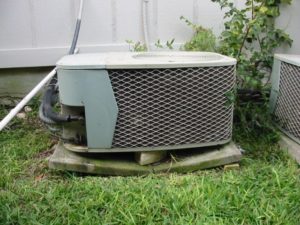
Units can last anywhere from 15 to 20 years. Some models will last longer and most experts will tell you to just run them until they stop. Having a working 25 year old central air conditioner is not un-common. Roofs with Fiberglass shingles can expect to last around Below is a list of items in the home and the Life Expectancy or the individual items.
Roofs
The most common type of roofing material is fiberglass shingles. The builders grade of shingle usually will last between 18 and 20 years. The south side of roof gets more sunlight and will start deteriorating first. Whenever you see your shingles starting to curl it is time to start thinking about replacing your shingles. Ensure your roofers quote will include things like, installing a starter strip, whether of not he will be replacing any valley or flashing material and will he be putting new flashing on plumbing vents etc.
Plumbing
Some insurance companies will not insure home with galvanized plumbing as it is not used anymore and it will have exceeded its predictable life span. The common life expectancy of galvanized steel is 20 to 50 years. Copper is rated to last over 50 years and was the most common type of plumbing material used replacing galvanized steel. Pex plumbing is thought to be able to be used for well over 50 plus years as there is not hard data available as yet. Polybutylene piping—a gray, plastic plumbing material used from the 1970s through the 1990s—is extremely prone to breakage.
Hot Water Tanks – The consensus on the life expectancy on water heaters seems to depend on some variables, such as; how hard your water is, do you drain tank periodically, and the hotter the water the shorter the life span. 8 to 12 years seems to be the average life span.
Exterior Cladding
Fiber-cement, wood, and aluminum siding have a 50 year life expectancy, but life expectancy for wood is contingent on painting. Vinyl has a 25 year expected life, however, it may be replaced earlier because it tends to look less presentable over time due to fading and cannot be painted. Fiber-cement board has twice the life span of vinyl. Wood composite products have the shortest useful life span – around 10 to 30 years.
Doors & Windows
Aluminum windows are expected to last between 15 and 20 years while wooden
windows should last upwards of 30 years. Newer PVC windows have a life expectancy from 8 to 30 years. Quality of manufacturing will vary and items like using Argon gas for thermal units can greatly extend life of window. Some exterior doors now come with a lifetime guarantee but don’t expect to find that door installed by a subdivision builder.
Below is a chart of the life expectancy of most household items:
Life Expectancy of Household Components
Appliances
Life in years
Compactors
10
Dishwashers
10
Dryers
14
Disposal
10
Freezers, compact
12
Freezers, standard
16
Microwave ovens
11
Electric ranges
17
Gas ranges
19
Gas ovens
14
Refrigerators, compact
14
Refrigerators, standard
17
Washers, automatic and compact
13
Exhaust fans
20
Source: Appliance Statistical Review, April 1990
Bathrooms
Life in years
Cast iron bathtubs
50
Fiberglass bathtub and showers
10-15
Shower doors, average quality
25
Toilets
50
Sources: Neil Kelly Designers, Thompson House of Kitchens and Bath
Cabinetry
Life in years
Kitchen cabinets
15-20
Medicine cabinets and bath vanities
20
Sources: Kitchen Cabinet Manufacturers Association, Neil Kelly Designers
Closet systems
Life in years
Closet shelves
Lifetime
Countertops
Life in years
Laminate
10-15
Ceramic tile, high-grade installation
Lifetime
Wood/butcher block
20+
Granite
20+
Sources: AFPAssociates of Western Plastics, Ceramic Tile Institute of America
Doors
Life in years
Screen
25-50
Interior, hollow core
Less than 30
Interior, solid core
30-lifetime
Exterior, protected overhang
80-100
Exterior, unprotected and exposed
25-30
Folding
30-lifetime
Garage doors
20-50
Garage door opener
10
Sources: Wayne Dalton Corporation, National Wood Window and Door Association, Raynor Garage Doors
Electrical
Life in years
Copper wiring, copper plated, copper clad aluminum, and bare copper
100+
Armored cable (BX)
Lifetime
Conduit
Lifetime
Source: Jesse Aronstein, Engineering Consultant
Finishes used for waterproofing
Life in years
Paint, plaster, and stucco
3-5
Sealer, silicone, and waxes
1-5
Source: Brick Institute of America Floors
Floors
Life in years
Oak or pine
Lifetime
Slate flagstone
Lifetime
Vinyl sheet or tile
20-30
Terrazzo
Lifetime
Carpeting (depends on installation, amount of traffic, and quality of carpet)
11
Marble (depends on installation, thickness of marble, and amount of traffic)
Lifetime+
Sources: Carpet and Rug Institute, Congoleum Corporation, Hardwood Plywood Manufacturers Association, Marble Institute, National Terrazzo and Mosaic Association, National Wood Flooring Association, Resilient Floor Covering Institute
Footings and foundation
Life in years
Poured footings and foundations
200
Concrete block
100
Cement
50
Waterproofing, bituminous coating
10
Termite proofing (may have shorter life in damp climates)
5
Source: WR Grace and Company
Heating, ventilation and air conditioning (HVAC)
Life in years
Central air conditioning unit (newer units should last longer)
15
Window unit
10
Air conditioner compressor
15
Humidifier
8
Electric water heater
14
Gas water heater (depends on type of water heater lining and quality of water)
11-13
Forced air furnaces, heat pump
15
Rooftop air conditioners
15
Boilers, hot water or steam (depends on quality of water)
30
Furnaces, gas- or oil-fired
18
Unit heaters, gas or electric
13
Radiant heaters, electric
10
Radiant heaters, hot water or steam
25
Baseboard systems
20
Diffusers, grilles, and registers
27
Induction and fan coil units
20
Dampers
20
Centrifugal fans
25
Axial fans
20
Ventilating roof-mounted fans
20
DX, water, and steam coils
20
Electric coils
15
Heat Exchangers, shell-and-tube
24
Molded insulation
20
Pumps, sump and well
10
Burners
21
Sources: Air Conditioning and Refrigeration Institute, Air Conditioning, Heating, and Refrigeration News, Air Movement and Control Association, American Gas Association, American Society of Gas Engineers, American Society of Heating, Refrigeration and Air-Conditioning Engineers, Inc., Safe Aire Incorporated
Home security appliances
Life in years
Intrusion systems
14
Smoke detectors
12
Smoke/fire/intrusion systems
10
Insulation
Life in years
For foundations, roofs, ceilings, walls, and floors
Lifetime
Sources: Insulation Contractors Association of America, North American Insulation Manufacturers Association
Landscaping
Life in years
Wooden decks
15
Brick and concrete patios
24
Tennis courts
10
Concrete walks
24
Gravel walks
4
Asphalt driveways
10
Swimming pools
18
Sprinkler systems
12
Fences
12
Sources: Associated Landscape Contractors of America, Irrigation Association
Masonry
Life in years
Chimney, fireplace, and brick veneer
Lifetime
Brick and stone walls
100+
Stucco
Lifetime
Sources: Brick Institute of America, Architectural Components, National Association of Brick Distributors, National Stone Association
Millwork
Life in years
Stairs, trim
50-100
Disappearing stairs
30-40
Paints and stains
Life in years
Exterior paint on wood, brick, and aluminum
7-10
Interior wall paint (depends on the acrylic content)
5-10
Interior trim and door paint
5-10
Wallpaper
7
Sources: Finnaren and Haley, Glidden Company, The Wall Paper
Plumbing
Life in years
Waste piping, cast iron
75-100
Sinks, enamel steel
5-10
Sinks, enamel cast iron
25-30
Sinks, china
25-30
Faucets, low quality
13-15
Faucets, high quality
15-20
Sources: American Concrete Pipe Association, Cast Iron Soil and Pipe Institute, Neil Kelly Designers, Thompson House of Kitchens and Baths
Roofing
Life in years
Asphalt and wood shingles and shakes
15-30
Tile (depends on quality of tile and climate)
50
Slate (depends on grade)
50-100
Sheet metal (depends on gauge of metal and quality of fastening and application)
20-50+
Built-up roofing, asphalt
12-25
Built-up roofing, coal and tar
12-30
Asphalt composition shingle
15-30
Asphalt overlag
25-35
Source: National Roofing Contractors Association
Rough structure
Life in years
Basement floor systems
Lifetime
Framing, exterior and interior walls
Lifetime
Source: NAHB Research Foundation
Shutters
Life in years
Wood, interior
Lifetime
Wood, exterior (depends on weather conditions)
4-5
Vinyl plastic, exterior
7-8
Aluminum, interior
35-50
Aluminum, exterior
3-5
Sources: A.C. Shutters, Inc., Alcoa Building Products, American Heritage Shutters
Siding
Life in years
Gutters and downspouts
30
Siding, wood (depends on maintenance)
10-100
Siding, steel
50-Lifetime
Siding, aluminum
20-50
Siding, vinyl
50
Sources: Alcoa Building Products, Alside, Inc., Vinyl Siding Institute
Walls and window treatments
Life in years
Drywall and plaster
30-70
Ceramic tile, high grade installation
Lifetime
Sources: Association of Wall and Ceiling Industries International, Ceramic Tile Institute of America
Windows
Life in years
Window glazing
20
Wood casement
20-50
Aluminum and vinyl casement
20-30
Screen
25-50
Sources: Best Built Products, Optimum Window Manufacturing, Safety Glazing Certification Council, Screen Manufacturers Association
Home inspectors have been adding Infrared Cameras to their arsenal of tools used to find any hidden deficiencies that might not be visible to the naked eye. Some of the most common items found with the use of a Thermal Imaging camera are; missing insulation, hot spots on electrical panel and moisture penetration. Most home inspectors advertise that Thermal Imaging will help in identifying electrical issues; missing, damaged and/or wet insulation; heat/cold energy loss; moisture intrusion that could lead to mold; hidden roof leaks; damaged and/or malfunctioning radiant heating systems; plumbing leaks; overheated equipment, etc.
Unfortunately Thermal Imaging technology is subject to many variables such as quality, on-site conditions and, last but not least, the ability of the inspector to accurately interpret the data. The Barrie Home Inspector was the first Professional Home Inspector in Simcoe County to offer Thermal Imaging with an Infrared camera. The use of Thermal Imaging has become so common place now that the Barrie Home Inspector now offers Free Thermal Imaging scan with every home inspection.
Infrared Thermal Imaging (ITI) is a non-invasive, non-destructive way of evaluating conditions below the surface. This allows us to detect small, but crucial differences in temperature throughout the house within the building materials. No matter what the temperature is on the outside or inside a good Thermal Imaging camera will pick out wall studs and ceiling joists. Heat loss and drafts are quickly detected and identified.
Plumbing leaks are quickly found and using Infrared thermal imaging is a quick, non-invasive method of investigation, which will confirm moisture migration paths, whether it be from internal plumbing, condensation or from external weather related leaks.
Commercial building roofs which have no visible leaks can be quickly assessed to find any penetrations that have started but not yet fully penetrated. Leaks around vents, ducts, HVAC penetrations are quickly identified. Air leakage is the primary source of heat loss in a commercial building envelope. A complete thermal scan of your building can identify where and causes of air infiltration.
Thermal Cameras will not work unless there is a difference of temperature of at least 18 degrees between the inside and the outside of the building. Most roof inspections are done in early morning before the sun has an opportunity to warm the roof. When the roof is cool any areas of moisture will cool at a slower rate than the dry areas showing up as a warm spot at night. If conditions are ideal the thermographer will be able to see the wall framing which will allow him to identify areas of thermal bridging or cavities where insulation is missing.
Proper ventilation of your home is important for your families health and comfort. Your home can become a repository for moisture, smoke, cooking odors and indoor pollutants. To control the levels of these substances in your home you have to have fresh air entering your home to replace these pollutants. In your typical home air movement is controlled mainly by infiltration, natural ventilation and mechanical ventilation.
Infiltration – This is the amount of fresh air that enters your home through openings, joints, and cracks in walls, floors, and ceilings, and around windows and doors . Newer homes are becoming tighter which reduces the amount of natural infiltration of fresh air into your house.
Natural Ventilation – Opening windows and doors is a common method of natural ventilation. I think we all can remember when our mothers used to “air out” rooms even in the middle of winter.
Mechanical Ventilation – New homes all have mechanical ventilation in kitchen, bathrooms and laundry rooms. This rooms have exhaust fans that discharge air to the exterior of the home. Kitchen exhaust fans that just re-circulate air through a metal grease filter can be quite a collector of grease, odors and airborne pollutants. Bathrooms that have peeling paint on ceiling from moisture is a sign of extremely poor ventilation. Exhaust only ventilation systems are only designed to work in the room in which they are installed.
Attic Ventilation – Having the proper insulation and adequate ventilation can protect your attic from mould and wood rot. If air cannot circulate from your soffits and pass through the attic area exiting through upper vents, heat and moisture will collect in the attic area causing extensive problems. When upgrading your insulation it is always a good idea to increase your attics ventilation by adding additional soffit baffles. One sure sign of poor attic ventilation and/or lack of insulation is the formation of ice dams on eaves of roof in the winter. Heating cables are another sign of problems in attics.
Heat Recovery Ventilators (HRV’s) – HRVs are efficient devices that provide good ventilation without a big energy cost for heating the outside air. The HRV uses the air being exhausted to preheat incoming air. Many municipalities now require a HRV unit to be installed if you have a wood burning appliance. This is to prevent negative pressure building up in your home creating a back draft problem. In energy efficient homes there can be a shortage of fresh air entering the home which can cause what was termed the “sick building syndrome”. This is basically when there is more air leaving the home through various sources, such as; fireplaces, furnaces, exhaust fans, hot water tanks and wood stoves. Some of the common symptoms were; back drafting of combustion appliances, mold, mildew and condensation on walls, lack of fresh air with musty and stale odors and a noticeable rush of air into the house when opening a door or window.
If you are contemplating installing a HRV unit for your home it is recommended that you consult and expert to have unit custom designed to work in tandem with your proposed HVAC system. Better results can be obtained when HRV’s are installed as part of new home construction as they can be added to your bathrooms, kitchen and laundry area. HRV’s can be an added option to an existing home but will not function as efficiently. CMHC and ASHRAE both have some excellent articles on home ventilation if further knowledge is required.
Martin Jennings contributed this great piece of information which I thought was worth adding so that everyone could benefit.
Home Services Sales Consultant | The Home Depot
Good advice about keeping your home well ventilated!
I’d like to expand on your attic section which is probably one of the most important sections of the home. A well balanced attic is one that breathes freely during all seasons. Here in Florida, I’ve seen roofing shingle temperatures of 170 degrees only to find the attic temperatures to be 165 degrees; a sure sign of an unbalanced ventilation system. The major culprit is insufficient soffit to ridge vent airflow due to improperly installed insulation.
Most homeowners think that piling up their attic floor with a huge blanket of blown in fiberglass (by themselves) is really saving them money. Get this done by the professionals that will install baffles between EVERY joist and ensure there is adequate ridge ventilation. Allowing the proper convective airflow will result in a cooler attic, better energy conservation, and extended roof life.
A good rule of thumb to determine if your attic is properly balanced:
If the asphalt shingle temperature on a 90 degree sunny day is 170 degrees, your attic should be NO MORE THAN 120 degrees. Achieving this balance will pay off in both the short and long runs!
The first step in having your home inspected is hiring a Home Inspector. This in itself can be a pretty daunting task as you really have to be able to separate the wheat from the chaff. New Home Inspector websites are popping up every week and are professionally designed full of nice pictures and advertising lingo. The main items of concern for potential home buyers is to pick a home inspector who has, previous experience in building homes, Home Inspector training and Provincial Courses related to construction of home, has professional affiliations with Building or Building related organizations and last but not least many years experience and a large number of previously inspected homes. Ask what the Inspector’s guarantee is, do they offer a 100% Satisfaction Guarantee? Many times when I see a new site pop up on Google that states they have been in “Inspection Business” for the past 20 years, I simply do a “whois” seach on Google and usually find the website is less than a year or two old. Is that the type of honesty you want in someone inspecting your home?
For most people buying a home will be one of major investments that they will ever make. Anyone who has watched Mike Holmes knows that there are all kinds of horror stories out there and those people started out just like you. Their Realtor helped them find a house they liked at the right price and then they were recommended to have a home inspection done. Many Home Buyers are adamant about finding and hiring their own home inspector. Their reasoning is usually based on the fact that if the Realtor contacts the home inspector on their behalf, the home inspector might have a subtle conflict of interest and be more concerned about getting that next job vs. ensuring every little defect is pointed out to the buyer. MOST Professional home inspectors are dedicated to the buyers interests only and will endeavor to produce a report that will detail every visible deficiency so that the home buyer can make an informed decision.
Every home has its issues. Hiring a Professional Home Inspector will usually reveal this secrets. A home inspection will often provide the buyer with information such as a potential for mould, presence of asbestos or water penetration or leaks. This information is provided by performing a visual inspection of the property and noting any deficiencies in a detailed report. Some of the more important issues a home inspector will point out and discuss with you is “poor drainage”, which can lead to wet basements, wood rot and possible mould growth. Worn out shingles or roofing material is a common issue and an expensive rear. Some sellers will only re-shingle 1/2 or 3/4’s of the roof and that fact is not always visible from the ground. There are so many issues such as; asbestos, aluminum wiring, knob and tube wiring, renovation done without a permit, water in basement, shifting foundations, galvanized plumbing and vermiculite insulation. The cost of fixing any of these issues is measured in the thousands of dollars not hundreds.
Professional Realtors will provide a Sellers Property Information Statement that is typically filled out by the seller when listing the property. This form cannot be totally relied upon as some sellers are reluctant to disclose any deficiency that may lower the price they will receive for their home. Legally if the seller agrees to the SPIS and agrees it will form part of the contract of purchase then the buyer can rely on the information supplied. If the seller knowingly withheld information that would have affected the sale of the home they could be held financially liable.
Currently, home inspectors are not regulated by any federal government or provincial agencies although British Columbia and Alberta have licensing in place. Ontario is attempting to have licencing for home inspectors in the near future. Until then it is Caveat Emptor, Buyer Beware.
In the fall of 2012 the Ministry of Consumer Services committed to meeting with Home Inspector Associations, consumers and representatives from the Real Estate sector to strive to establish minimum qualifications for the Home Inspection Industry. The stated goals of the Ministry of Consumer Services was to create more transparency in the Home Inspection profession, Ensure a minimum standard of training for home inspectors, make home inspections more consistent and improve consumer protection.
The Ontario Ministry of Consumer Services is taking this position as Alberta and British Columbia already have set minimum qualifications for Home Inspectors and 32 States in the U.S. have regulations in place. The stated goal of the Ontario government is to Protect Consumers, Raise the Professionalism of the Home Inspection Industry and Raise consumer awareness about home inspections.
In consultation with some of the larger Home Inspection Companies (Including the famous Mike Homes Inspections) the Ministry of Consumer Services has come up with four areas where they will develop ideas on the key components:
Technical – This area will define what a Home Inspection is, what the scope of the inspection will entail and set Standards of Practice for specific areas of the Home Inspection.
Professional – Home Inspectors will have to obtain a recognized level or education and/or level or experience to do business as a home inspector in Ontario. There will be designations, specializations and labour mobility controls set up for the profession of home inspector.
Consumer Protection – The Ministry of Consumer services is proposing to raise Consumer Awareness about Home Inspections while ensuring that there is transparency and consistency of both standards and qualifications. Set a level of ethical standards to which every home inspector will be held accountable and set in place financial protection in the form of insurance or warranties.
Canada Mortgage and Housing completed a study on the feasibility of Mandatory Home Inspections on re-sale homes in Ontario. One of the problems was that if put into effect there would not be enough trained home inspectors to perform the required inspections. Most everyone contacted as part of this study thought the sooner the inspection was carried out on the property the better. One of the major issues was that the home inspection could be used to re-negotiate the selling price. Standardized training, testing and qualifications for all home inspectors would have to be legislated. Industry self-regulation would produce better qualified and certified home inspectors, although there would still be those offering services with minimal qualifications.
With the upcoming implications to the Home Inspection Profession there could also be some repercussions to the Real Estate industry. Real Estate agents would have to ensure property is inspected by a Home Inspection Professional who is licensed and would be more responsible in ensuring their clients understood the results of their home inspection. The Ontario courts have already heal a Realtor accountable in part for a property transaction where the client did not fully understand the implications of deficiencies found during the home inspection.
The clear cut winner however this eventually plays out will be the consumer. Home buyers will be assured that when hiring a Professional Home Inspector that they will be hiring someone who has a minimum level or experience and education plus will be following a standardized set of rules and standards of practice. Not all Home Inspectors will be happy as this is a political process and most of the invited stakeholders will be trying to steer the Ministry in a direction that favors their own particular business model. Every new business model has its hiccups at the beginning, but trial and error (the governments way of doing business), will eventually make it a level playing field for everyone.
Most of your exterior maintenance on your home and property has to be done before the snow flies. Preparing your home for winter can save you energy and money. Follow these steps to help protect your home and your investment.
Exterior
Caulking is one of the easiest yet one of the best problem preventing maintenance chore you can do. Ensure all exterior joints are sealed, caulk any penetrations such as sump drains, furnace vents and any water lines. Check your windows mortar at sills, this can save you the cost of replacing brick as the thawing and freezing action of water in the winter can destroy your bricks if you allow it access.
Check your roof closely for any cracked caulking at flashings or around vents. Look for any loose of missing shingles that might require replacement. If you have a masonry chimney you should check to ensure all cracks and seams are sealed on the cap area. Water can enter at your cap if allowed and start destroying your chimney from the inside. If you burn wood then it probably would be a good time to have your chimney cleaned in preparation for a new burning season. Check your damper, fire brick if present and clean out any old ashes.
Clean your gutters of leaves and fix any leaking areas. Ensure all downspouts are firmly attached and clamps are in place.
Inspect your asphalt driveway for cracks and fill with a commercial filler then coat with a sealer. If you have a visible gap at garage floor joint then seal with asphalt caulking which will prevent water from freezing and actually pushing your asphalt away from concrete floor.
Cottages
For those closing their cottages for the season, now’s the time to seal any openings that could attract animals and trim back tree branches near the roof. Cottage owners should hire a local to remove snow from the roof to avoid a collapse, and don’t forget to drain water from pipes and pumps before leaving for the winter.
Interior
Heating your home accounts for over 40% of your energy costs during the winter. Run your furnace prior to winter to ensure it is operating properly. Check that your filters are clean and have your furnace tuned up by a professional to ensure it is running at it optimum efficiency. Change your furnace filter monthly. Check window sills and frames for cracks where water can enter. If wood sills need repainting, get it done. Exterior doors can have weather stripping and an adjustable door sweep installed to reduce unwanted air flow and heat loss. Outside water supply taps and lines should be shut off from inside the home; the taps and lines should be drained of all water and left open. Insulating plumbing pipes will not only prevent any chance of freezing but it will also prevent condensation. If you have hard water in your area it is a good idea to drain your hot water tank removing built up sediment from tank.
Equipment
Winterize and store equipment. Drain the gas from your lawnmower. Wash and store patio furniture and gardening equipment in a dry area to prevent rust and mildew. Disconnect garden hoses and drain prior to storing. Rather than covering your air conditioner, place some spacers on top with a weighted piece of plywood to keep snow off, but allow lots of ventilation to prevent corrosion. Store any paints and other liquid products in a heated area to prevent freezing.